Casa milà structure
“La Padrera” by antionio gaudi
barcelona, catalonia, spain
June 18, 2008


Casa milà structure
“La Padrera” by antionio gaudi
barcelona, catalonia, spain
June 18, 2008

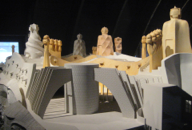
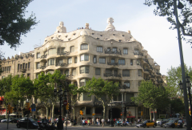
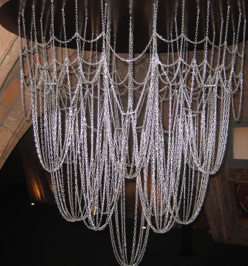
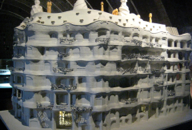
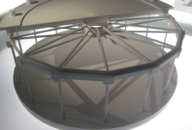
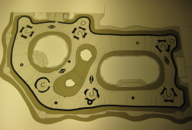
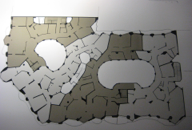
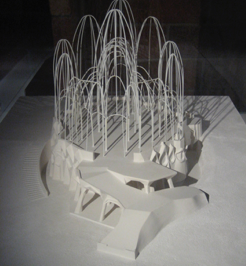
Antonio Gaudi was commissioned in 1906 to design and build an apartment building where the top floor would be the residence of the Milà family, providing them, in their real estate investment, to live rent free for life. Casa Milà was completed in 1910, a successful architectural achievement by Gaudi, which allowed him to depart from the conventional architectural principles, and invent a new form of planning, construction, and engineering. Nicknamed “La Padrera” or “the quarry” because of its cliff-like limestone walls, Casa Milà was the last civic project Gaudi completed before devoting the remainder of his life to the project, Sacred Familia. Henry and I toured an exhibition in the arched attic of this building, which demonstrated his architectural achievements. Maquettes, drawings, plans and models helped us understand his research and the application of his ideas. His experiments using chains helped him envision an arch or a column that would bear tremendous weight, making interior supports redundant. This factor allowed him to open the interior spaces of the building, designing the apartments around two open courtyards. As always, Gaudi’s designs contained many revolutionary ideas, including ventilation, curvilinear shapes, ironwork, open balconies, shaped windows, and sculptural chimneys.
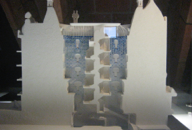
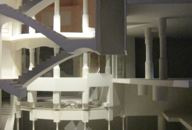
PHOTOS: Left Column: 1. Casa Milà or “La Padrera” 2. Maquette, the attic showing ventilation and chimneys on the roof. 3. & 4. Schematic drawing and plan of the apartment building, showing the interior courtyards. Center, Top: Model demonstrating the natural weight and shape of chains hung. Center, Bottom: The reverse shape of chains hung, used as a model to design supporting columns. Right Column: 1. Architectural model of Casa Milà. 2. Maquette showing the interior open structure of Casa Milà. 3. Detail of the open structure. 4. Architectural model showing the concept of exterior support, using the model of spokes of a wheel.